You have a sibling you keep meaning to call. New research on what that call is quietly doing, for both of you, might change how long you let it wait.
Scientists Tracked Sibling Pairs for Over 60 Years. The Ones Who Kept Calling Stayed Sharper in Their 80s.
A team led by researcher Jooyoung Kong followed more than 10,000 Wisconsin siblings from high school into their eighties, published in December 2024 in The Journals of Gerontology: Series B. Feeling close to a sibling did not predict a sharper mind decades later. Staying in actual contact did.
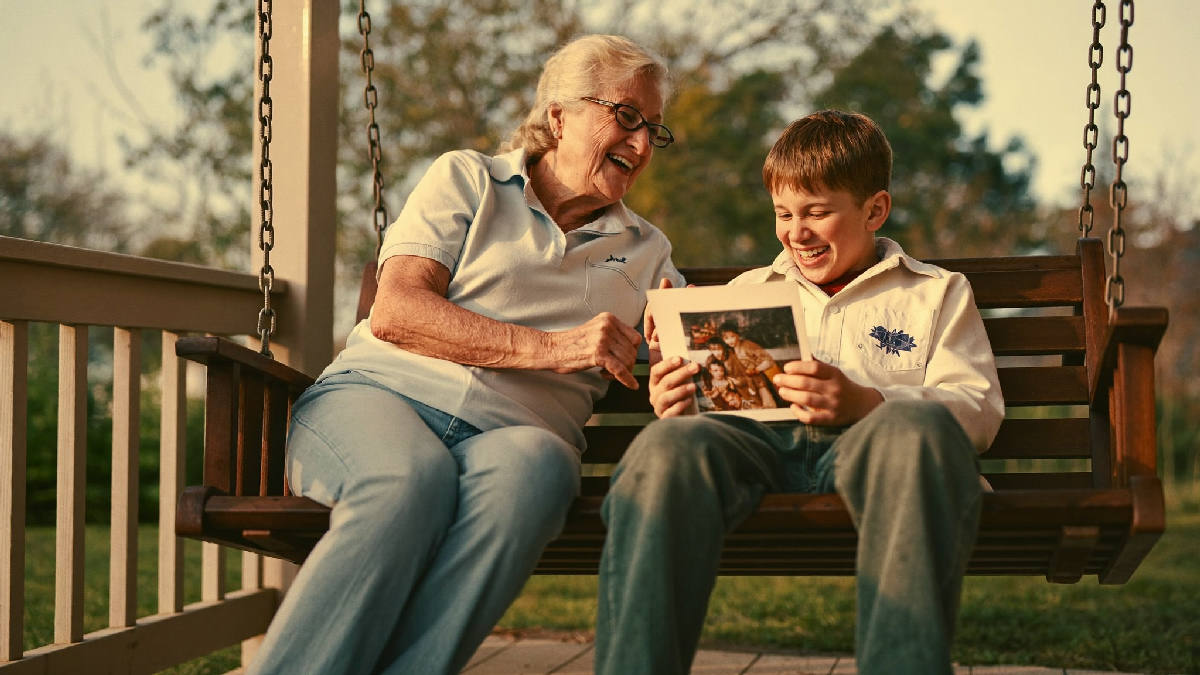
Somewhere in your family there is a sibling relationship that used to be constant and quietly is not anymore. Not a falling out, nothing to explain. Just a call that used to happen weekly, then monthly, then only at holidays. **Everyone tells themselves the closeness is still there even when the contact is not.** New research suggests that distinction matters more than most people think.
Researchers led by Jooyoung Kong used the Wisconsin Longitudinal Study, which has followed more than 10,000 people since they graduated high school together in 1957, checking back in with them in 1994, 2005, 2011, and 2020. **By the most recent wave, the participants were in their early eighties**, and the researchers could finally ask a question that takes a lifetime to answer: does how you got along with your sibling as a kid still matter for your mind, sixty years later?
The answer, published in December 2024 in The Journals of Gerontology: Series B, split into two findings that do not sound the same. **Warm childhood interactions predicted staying in closer touch as adults, which predicted sharper cognitive scores in old age.** But when the researchers separated the two halves of adult closeness, feeling emotionally close and actually staying in contact, only one of them carried the effect. **It was the contact, not the feeling.**
1. What childhood actually predicted
The researchers sorted childhood sibling interactions into two categories: positive ones, like hugging and helping each other out, and negative ones, the ordinary conflict every set of siblings has. **Participants who reported more of the positive kind as kids were the ones who ended up in closer, more frequent contact with that sibling decades later, well into their seventies and eighties.**
The reverse held too. **Participants with more adverse childhood experiences tended to have less adult sibling contact**, a pattern that lines up with a wider body of research on how early family strain can echo through relationships for the rest of a life.
The bond you had as kids is still quietly shaping whether you call each other now.
2. Why the call mattered more than the feeling
This is the part of the study worth sitting with. The researchers measured adult sibling relationships two separate ways: how emotionally close participants felt to their sibling, and how often they actually saw or spoke to them. Cognitive function was tested with a standard telephone assessment used across aging research.
**Emotional closeness on its own did not predict better cognitive scores. Contact frequency did.** Two people can feel just as close to a sibling they see twice a year as one they talk to every week, but only the second pair showed the cognitive benefit. The researchers' read: **regular contact keeps the mind engaged in a way that affection alone, felt from a distance, cannot.**
It is not enough to love a sibling from far away. The actual calling is doing something the feeling alone cannot.
3. The sibling you keep meaning to call
Almost everyone can name the sibling, cousin, or old friend they still consider close, even though the last real conversation was months ago. **This research is a quiet argument for closing that gap now, not because the closeness is gone, but because the contact is what was doing the work all along.**
With LifeScribe, Ari calls and asks a real question, so a catch-up with someone you love does not stay small talk. **That does not replace the relationship. It keeps giving the two of you a reason to actually talk**, and keeps what gets said along the way.
The call itself is the point, not just the feeling behind it.
My sister and I always said we were close, but I could not remember the last time we actually talked instead of just liking each other's photos. I read this on a Tuesday and called her that night. We were on the phone for over an hour and she brought up a story about our dad I had never heard.Diane, 58, recording family stories with her sister on their weekly call
What you get with LifeScribe
- Feeling close to a sibling is not the same as staying in contact, and researchers found the actual contact was what predicted a sharper mind decades later, not the feeling alone.
- Ari asks a real question on an ordinary call, so a catch-up with a sibling turns into more than a quick hello.
- What gets kept is not just a nice memory. It is a habit of actual contact, the same habit the research found protects the mind that keeps it up.
- Built on documented research: Kong, Moorman, Lee, and Engelman, 2024, The Journals of Gerontology: Series B, Wisconsin Longitudinal Study.
Start free, with nothing to lose
Try it on your next call with a sibling, free. Nothing to install, nothing to schedule around. If it does not feel like it kept something real, you have lost nothing but a few minutes of a call you could be having anyway.
**A mind that stays sharp is not the one that felt close from a distance. It is the one that kept picking up the phone.** Every year that call gets pushed to next time is a year of the actual contact the research points to, not just the feeling, that does not happen.
Call the sibling you keep meaning to call. The research says the call itself is the part that counts.
Let Ari ask a real question on that next ordinary call, and keep what gets said in their own words, before the sibling you have always felt close to becomes someone you only used to talk to.
Questions grandparents ask us
What did the study actually find?
Researchers led by Jooyoung Kong used the Wisconsin Longitudinal Study, which has tracked more than 10,000 people since 1957, to find that positive childhood sibling interactions predicted closer adult sibling contact, which in turn predicted better cognitive functioning in the participants' early eighties. The study was published in December 2024 in The Journals of Gerontology: Series B.
Is it the closeness or the actual contact that matters?
The contact. When researchers separated emotional closeness from contact frequency, only frequent actual contact, calls and visits, predicted better cognitive scores. Feeling close to a sibling without regular contact did not show the same benefit.
What counts as a positive childhood sibling interaction?
The study defined it broadly: things like hugging, helping each other, and general mutual support during childhood, as opposed to negative interactions like ongoing conflict.
Does this apply to siblings who were not close as kids?
The research found childhood closeness made adult contact more likely, but it studied a correlation, not a rule. Adult sibling contact is something people can choose to build regardless of how close a relationship was decades earlier.
Why does this matter for recording a family story?
If actual contact, not just affection, is what keeps a relationship and a mind sharp, then the ordinary calls with a sibling are worth more than they get credit for. Recording what gets said on those calls keeps the stories that come out of staying in touch, not just the fact that you did.
https://getlifescribeapp.com/blog/siblings-who-kept-calling-stayed-sharper