You have probably noticed that some regrets fade with time and others do not. Psychologists ran five separate studies to find out why, and the answer had almost nothing to do with ambition.
Psychologists Ran Five Studies on Regret. The Kind That Cuts Deepest Was Never About Your Career.
In 2012, researchers Mike Morrison, Kai Epstude, and Neal Roese tested regret across five different studies and found a consistent pattern: regrets about people, like a strained relationship with a parent or a friendship left to fade, are felt far more intensely than regrets about a career or a degree. The deciding factor was not how big the opportunity was. It was whether the regret threatened a sense of belonging.
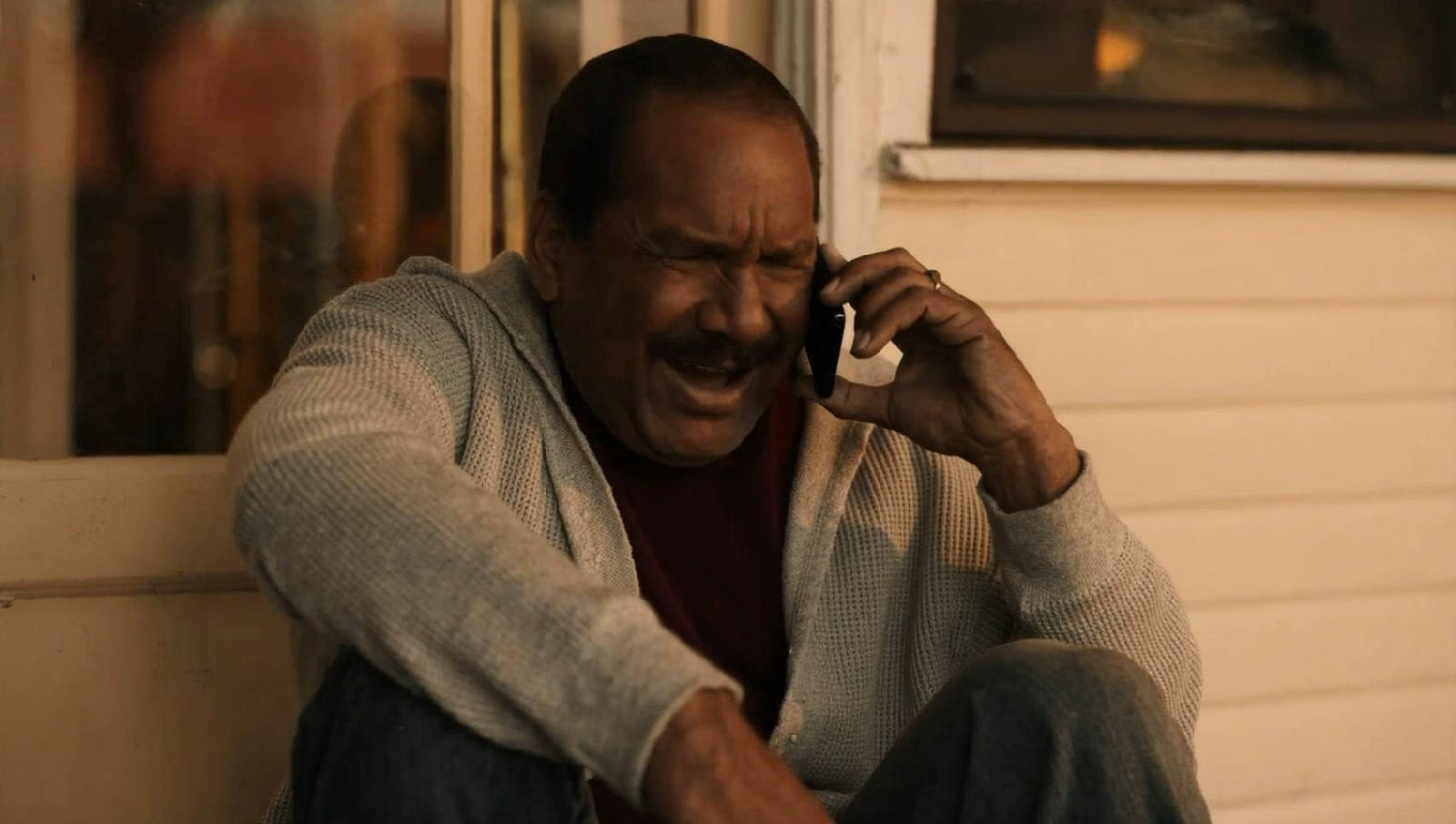
Ask most people what they regret and two very different kinds of answers tend to come back. One sounds like ambition: the degree not finished, the job not taken, the business never started. **The other sounds like something quieter and harder to name: the call not made, the visit put off, the relationship left to go cold.** For a long time, psychologists studying regret treated these as roughly the same phenomenon, just applied to different parts of life. A 2012 study found they are not the same at all.
Researchers Mike Morrison, Kai Epstude, and Neal Roese, publishing in the journal Social Psychological and Personality Science, ran five separate studies using different methods and different groups of people. **Across every one of them, the same pattern held: regrets tied to relationships, like family and romance, were felt more intensely than regrets tied to work or education, even when the two seemed equally significant on paper.** The researchers tested and ruled out several obvious explanations before landing on the real one.
**It was not how much opportunity the person felt they had lost. It was whether the regret represented a threat to belonging.** A missed promotion stings, but it does not usually make someone feel unwanted. A relationship allowed to fade, especially with family, does. The study's authors were direct about it: the need to belong is not just a basic human drive, it is built into the structure of regret itself.
1. Five studies, one consistent answer
The researchers did not rely on a single method. **They used diverse samples and diverse approaches, from recalled personal regrets to hypothetical scenarios, and the finding held every time: social regrets outweigh achievement regrets, not because they are objectively bigger, but because they cut closer to belonging.**
They also tested the obvious alternative explanations, including whether social regrets simply involve more people who could be affected, or whether they are just remembered as worse after the fact. **Neither explained the pattern. What predicted the intensity of a regret, across every domain tested, was how much it felt like a threat to being wanted and included.**
Across five separate studies, the regrets that hurt most were never about achievement. They were about connection.
2. Why a missed call outlasts a missed promotion
This helps explain something a lot of people notice but rarely have language for: **a career regret tends to fade once life moves on and a new opportunity appears. A family regret often does not fade at all, because the person, and the chance to fix it, may not still be there.**
A companion nationally representative survey by Morrison and Roese, which asked 370 Americans ages 19 to 103 about their single most notable regret, found the same shape from a different angle: **as people get older, career and education regrets recede and family and parenting regrets become more common, and those relationship regrets are disproportionately the kind people describe as impossible to fix.**
The regrets people carry longest are almost never about what they built. They are about who they let slip away.
3. The one kind of regret you can still act on
Not every regret can be undone, and the researchers were clear that not every strained relationship can be repaired. **But most people are not choosing between reconciliation and nothing. They are choosing between reaching out today and letting one more ordinary chance pass by unremarked.**
With LifeScribe, Ari turns an ordinary phone call into a real conversation, and a real recording, in a parent's or grandparent's own voice. **You cannot go back and take every call you should have made. You can make the next one, and keep it, before it becomes one more thing you wish you had done.**
You cannot undo a regret about belonging. You can still make the next call before it becomes one.
My dad and I never really talked, just small talk about the weather and the Dolphins. I used LifeScribe to call him and actually ask him things: about his own father, about the year he almost moved to Texas. It did not fix everything between us. But I do not feel like I am running out of time with him anymore.Derek, 41, calling his father on a Sunday afternoon
What you get with LifeScribe
- A 2012 study by Mike Morrison, Kai Epstude, and Neal Roese, published in Social Psychological and Personality Science, ran five separate studies and found regrets about relationships are felt more intensely than regrets about work or education.
- The deciding factor was not the size of the missed opportunity. It was whether the regret threatened a sense of belonging, a pattern that held across every study and every method tested.
- A companion nationally representative survey found family and parenting regrets become more common with age, and are disproportionately the kind people describe as impossible to fix.
- Ari helps you close the distance in a relationship before it hardens into the kind of regret research says never fully fades.
Start free, with nothing to lose
Start with one ordinary call to someone you have been meaning to really talk to, free. Nothing to install, nothing to schedule around. If the call does not feel like it was worth more than the few minutes it took, you have lost nothing but a conversation you were glad to have anyway.
**Career regrets tend to fade because new opportunities keep arriving. Regrets about the people you love do not get that same second chance forever.** The only real fix research has found is not waiting for the right moment. It is making the next ordinary call while there is still someone on the other end of it.
The regret that never fades is never about what you built. Make the call before it becomes one.
Let Ari turn an ordinary phone call into a real conversation, and a real recording, in the voice of someone you do not want to lose.
Questions grandparents ask us
What did the 2012 regret study actually find?
Researchers Mike Morrison, Kai Epstude, and Neal Roese ran five separate studies and found that regrets involving relationships, like family and romance, are felt more intensely than regrets involving work or education. The best predictor of how painful a regret felt was whether it represented a threat to belonging, not how large the missed opportunity was.
Where was this research published?
The findings were published in the journal Social Psychological and Personality Science in 2012, building on earlier work by Neal Roese and Amy Summerville on what people regret most and why.
Does regret really change as people get older?
A companion nationally representative survey by Morrison and Roese, of 370 Americans ages 19 to 103, found that education and career regrets become less common with age while family and parenting regrets become more common, and are more often described as regrets that cannot be fixed.
What can someone actually do with this?
Since relationship regrets are the ones that cut deepest and last longest, the researchers point toward reaching out before a strained relationship hardens further. Ari helps by turning an ordinary phone call into a real, kept conversation and recording, making that first step easier to actually take.
https://getlifescribeapp.com/blog/the-regret-that-cuts-deepest