The things you did the most feel like they started the longest ago.
Researchers Showed People Pictures, Some of Them Again and Again. The Ones Seen Most Were Remembered as Starting Further Back in Time.
In 2025, Brynn Sherman and Sami Yousif reported an odd trick of memory: what repeats gets dated earlier than it really began.
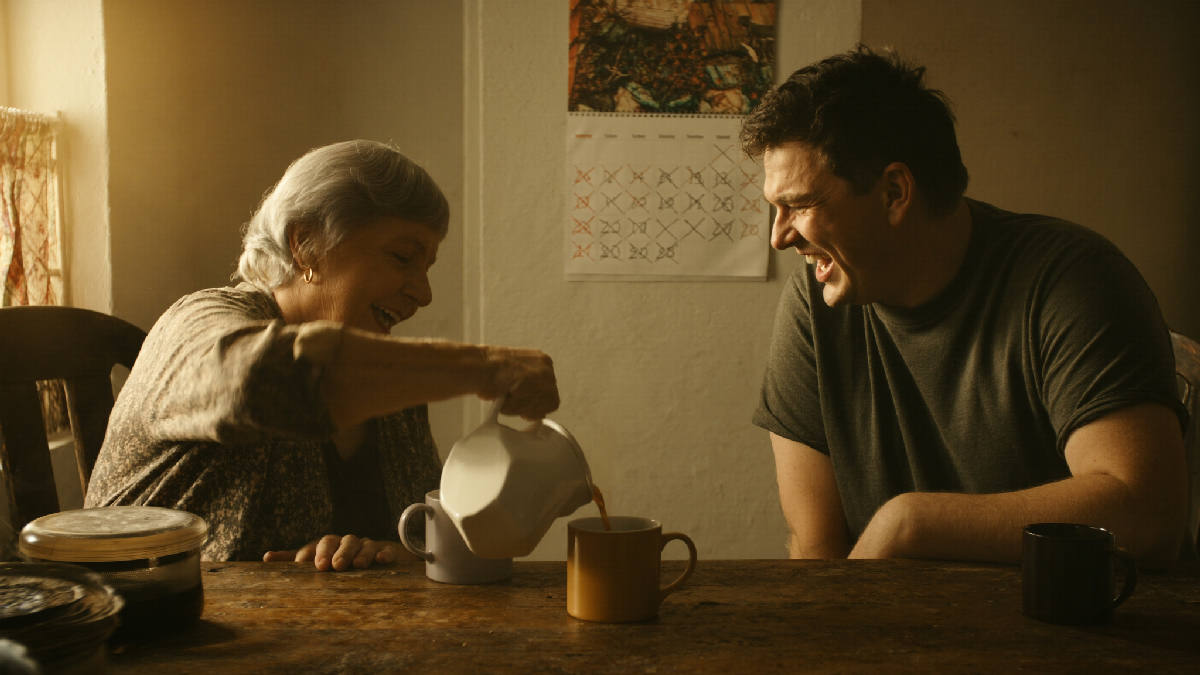
Think of something you did again and again with someone you love. A Sunday call. A walk. A coffee at the same table. **When did it start?** Most of us would say *it feels like forever.*
A study in the journal *Psychological Science* suggests that feeling is **partly a trick.** In six experiments, the authors found that **experiences that are repeated are remembered as having begun further back in time.**
It tested pictures of objects, not families. Still, it points at something gentle: **the everyday things you repeat can feel older than they are, and the first time can blur.**
1. What the researchers did
Adults looked at pictures of objects. Some pictures **showed up again and again.** Others appeared once, **at nearly the same moment** as a repeated one.
Afterward, people placed each picture on a timeline to show **when they first saw it.** The first experiment, as reported by PsyPost, had **50 participants.**
The pictures began at the same time. The memory of when they began did not match.
2. The repeated ones felt older
The authors report that repeated pictures were placed **earlier on the timeline** than the single ones. The distortion reached **about 25 percent** of perceived time, and **more repetitions meant a stronger effect.**
In one test, people chose which of two pictures came first. They picked the repeated one **nearly 80 percent of the time,** even though it had actually appeared later (as reported by PsyPost). Warning people beforehand **did not make it go away,** and it held over several days.
Repetition does not only strengthen a memory. It can push the start of it further back.
3. What it can and cannot tell us
The study used **pictures of objects** shown to English-speaking adults in the United States, in a controlled online setting. It **did not test families, routines with people, or recorded stories.**
We read the published abstract and a news report of the study, not the full paper, so this page states **nothing more than those support.** What it gently suggests is that **the start of a long habit is easy to lose.**
If the first time is the easiest part to blur, the first time is worth saying out loud.
Repeated experiences are remembered as having occurred further back in time.Sherman and Yousif, Psychological Science, 2025 (paraphrased from the journal abstract)
What you get with LifeScribe
- A 2025 study in Psychological Science by Brynn Sherman and Sami Yousif reported six experiments on how people date their experiences.
- Repeated pictures were remembered as having first appeared earlier than single ones shown at the same time.
- The distortion reached about 25 percent of perceived time, and more repetitions made it stronger.
- Warning people in advance did not remove it, and it persisted over several days.
- It used pictures of objects with adults in the United States, not families or recorded stories.
- Built on documented research: Psychological Science, 36(4), 278 to 295, 2025.
Start free, with nothing to lose
Just a phone call, free. Ari listens with real interest, asks how it all began, and keeps your stories in your own voice for the people you love.
The beginning of a story is the part that blurs first. Tell it while you still remember where it started. It is just a phone call.
Say how it began.
Ari calls, asks about the first time, the early days, and the moments that shaped you, and keeps your stories in your own voice for the people you love.
Questions grandparents ask us
What did the study find?
In six experiments, pictures that were repeated were remembered as having first appeared earlier than pictures shown once at nearly the same time. The distortion reached about 25 percent of perceived time.
Who wrote it?
Brynn E. Sherman and Sami R. Yousif, published in Psychological Science, volume 36, issue 4, pages 278 to 295, in April 2025.
Did it study families or daily routines?
No. It used pictures of objects shown to adults in the United States. This page makes no claim that it applies to families, routines with people, or recordings.
How many people took part?
The paper reports six experiments. We found only that the first had 50 participants, as reported by PsyPost, and did not find the other totals, so we state none.
Why does it matter for a life story?
It suggests the start of a long-running habit can feel older and blurrier than it was. Saying how it began, in your own voice, keeps that part from slipping.
https://getlifescribeapp.com/blog/the-years-you-did-it-every-day