Researchers left people out of a simple ball-tossing game on purpose, just to study how rejection feels. Older adults responded with something the study did not expect.
Researchers Left People Out of a Game on Purpose to Study Rejection. Older Adults Did Not Try to Forget It. They Reached for a Memory, and It Pulled Them Back Toward People.
In a 2026 study in the journal Emotion, researchers Minjie Lu, Suyi Wang, Jennifer Lay, Christiane Hoppmann, and Helene Fung found that when older adults feel excluded or hurt by someone, they reach for a memory before anything else, and it pulls them back toward people faster than it does for anyone younger.
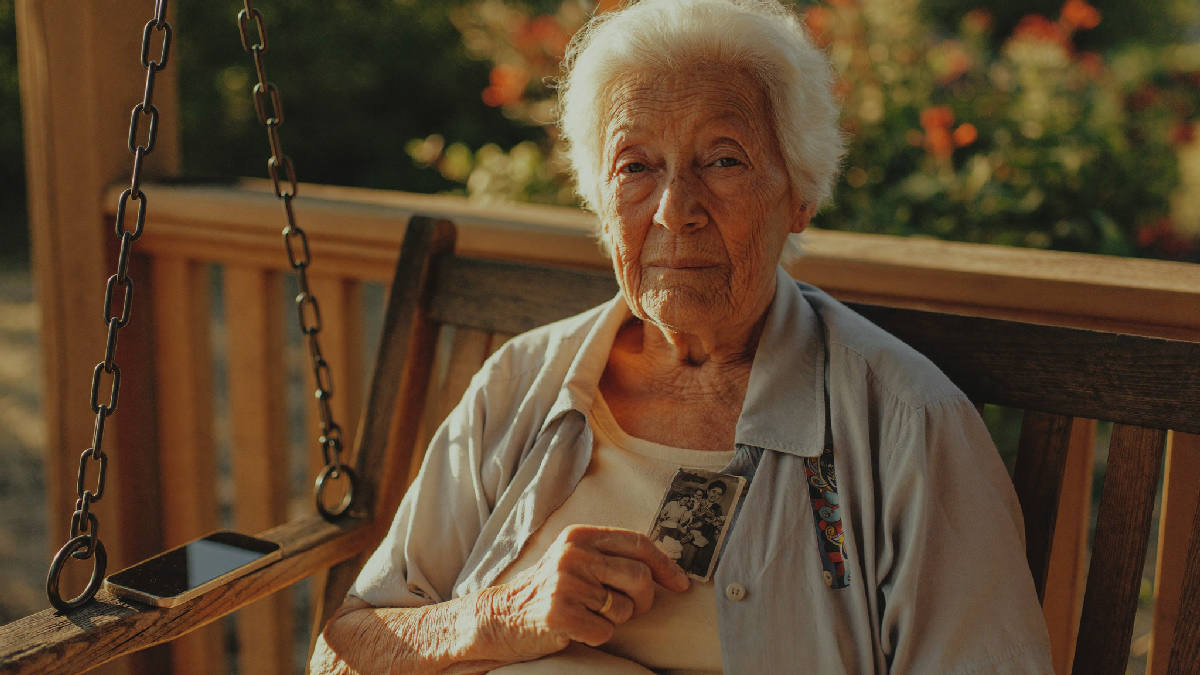
Psychologists have a simple, slightly unkind way to study rejection in the lab. They put someone in a game of catch with two other players, and after a few friendly throws, the other two quietly stop throwing to them. The person just stands there. Left out, on purpose, for science.
Two studies ran versions of this, once as a two-week daily diary and once as this exact game, called Cyberball, with adults ranging from 18 to 80. Younger adults handled being excluded about how you would expect. **Older adults did something different. They reached for a memory.**
Not a distraction. Not a change of subject. A specific memory of someone who mattered to them, brought up on purpose, in the middle of feeling hurt. And according to the data, it worked better than anything the younger adults tried.
1. Rejection hits everyone the same. The response does not.
In the first study, 115 adults ages 18 to 80 kept a daily diary for two weeks, logging their negative feelings after real interpersonal friction: an argument, a cold shoulder, being left out of plans. **Older adults reported stronger nostalgic feelings after those same daily hurts than younger adults did.**
The second study made it controlled. 189 adults ages 21 to 78 played Cyberball, the classic social-exclusion game, and were measured for nostalgia afterward. Older adults again reached further into nostalgia than younger adults, in response to the identical few minutes of being ignored.
Being excluded feels the same at every age. What people reach for afterward changes a great deal.
2. For older adults, a memory is not an escape. It is a rope back.
This is the part the researchers found most interesting. Nostalgia usually gets treated like a pleasant detour into the past and nothing more. But for the older adults in this study, it clearly did a job: **after feeling nostalgic, older adults reported more social engagement in everyday life than younger adults did, and a faster recovery of their sense of belonging after being excluded in the game.**
The effect held up even after researchers controlled for general positive mood, so this was not simply 'older adults feel better in general.' It was specific to nostalgia, and specific to what nostalgia did next: it pointed people back toward other people.
The memory did not just comfort them. It moved them, back toward the people who could actually help.
3. At a certain age, memory becomes a tool for staying close
The researchers frame this through socioemotional selectivity theory, the well-documented idea that as people age, they get more selective about where they spend their emotional energy, favoring relationships and meaning over almost everything else. **This study adds a mechanism: when an older adult feels hurt or shut out, a memory of the people who love them is one of the first places their mind goes, and that memory pulls them back toward connection instead of away from it.**
None of this works, of course, if the memory is not there to reach for. A life with the stories still on record, still in a voice you can actually hear, gives that reflex somewhere real to land.
A memory can only work as a rope back to people if it is still there to hold onto.
My mother calls it 'going to visit your father' when she puts on his old recordings and just listens for a while. She's not sad when she does it. She comes out of it lighter, like she just talked to someone. I used to think it was strange. Now I think it might be the smartest thing she does for herself all week.Renee, 52, on her mother listening to recordings made with Ari
What you get with LifeScribe
- A 2026 study in the journal Emotion tested 304 adults total, ages 18 to 80, across a daily diary study and a controlled social-exclusion experiment.
- Older adults responded to being hurt or excluded with stronger nostalgic feelings than younger adults did, in both studies.
- That nostalgia was not just pleasant. It measurably pulled older adults back toward other people, faster than it did for anyone younger.
- Built on documented research: Lu, Wang, Lay, Hoppmann, and Fung, Emotion, 2026.
Start free, with nothing to lose
Give that reflex something real to reach for. Just a phone call, free. Ari asks about the people and moments that matter most, so the memory that pulls you back toward your family is one you can actually hear again, in their own voice.
The researchers call nostalgia an adaptive resource, something older adults reach for automatically when they need to feel less alone. But a reflex can only work with what is actually kept somewhere. A voice, a story, a memory that was never recorded is not something anyone can reach for later, no matter how badly they need it.
Give yourself something to reach for.
Ari calls and listens, so the memories that could someday pull you back toward the people you love are still there, in their own voice, when you need them.
Questions grandparents ask us
What did the study actually find?
A 2026 study in the journal Emotion found that when older adults feel excluded or hurt by someone, they respond with stronger nostalgic feelings than younger adults do, and that nostalgia measurably pulls them back toward social connection afterward.
How was the study done?
Two studies. In the first, 115 adults ages 18 to 80 kept a two-week daily diary logging real interpersonal hurts. In the second, 189 adults ages 21 to 78 played Cyberball, a game designed to induce social exclusion, and reported their nostalgic feelings and sense of belonging afterward.
Why does this happen more in older adults?
The researchers connect it to socioemotional selectivity theory, which holds that as people age, they prioritize emotionally meaningful goals and relationships. Nostalgia appears to be a resource older adults recruit specifically to counter social threats and restore a sense of connection.
Is this just about feeling nostalgic, or does it do something?
It does something. After feeling nostalgic, older adults reported more everyday social engagement in the diary study and a faster recovery of belonging after exclusion in the game study, effects that held up even after controlling for general positive mood.
Who ran the study?
Minjie Lu and Suyi Wang of Beijing Normal University at Zhuhai, Jennifer Lay of the University of Exeter, Christiane Hoppmann of the University of British Columbia, and Helene Fung of the Chinese University of Hong Kong, published in the journal Emotion in 2026.
https://getlifescribeapp.com/blog/the-memory-that-pulled-them-back